
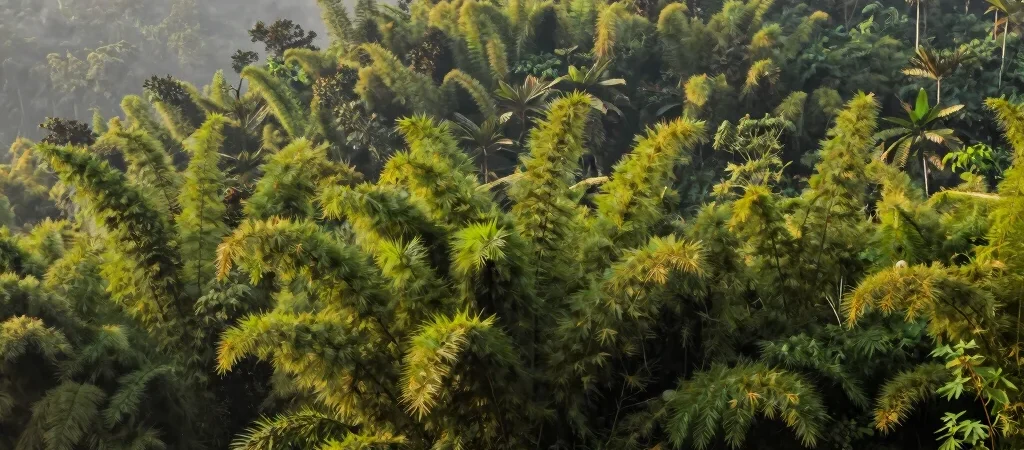
For generations, the Dongria Kondh have inhabited the steep ridges of the Niyamgiri hill range, sustaining a sacred relationship with Niyam Raja, the deity of the mountain. Far from treating the surrounding forest as a passive resource, their community stewardship reflects a complex, regenerative approach to Niyamgiri forest ecology. Sacred groves remain entirely untouched, serving as vital ecological sanctuaries for endemic flora and wildlife.
Traditional Farming in Harmony with Mountain Slopes
Shift cultivation is managed with strict seasonal rotations that allow forest soil to rest and recover fully. Intercropping diverse heirloom grains, tubers, and legumes protects topsoil from erosion during heavy torrential monsoons. This deliberate agricultural variety maintains resilience against climate shifts while preserving wild seed strains passed down for centuries.
Wild food harvesting is similarly regulated by unwritten seasonal laws that prevent over-extraction. Community members collect perennial herbs, bamboo shoots, and forest fruits only during designated months, ensuring seed dispersal and natural species regeneration across the hills.
Defending Biodiversity Through Indigenous Rights
The stewardship of Niyamgiri stands as a prominent global model for indigenous land rights and environmental conservation. Decades of patient advocacy by the Dongria Kondh have protected vital watershed ecosystems from heavy industrial clear-cutting. Their victories underscore the crucial role that indigenous autonomy plays in preserving fragile habitats.
Documenting these ecological systems helps bridge traditional knowledge and modern conservation science. Recognizing the Dongria Kondh as legitimate guardians of Niyamgiri provides essential lessons for global ecological preservation efforts.