
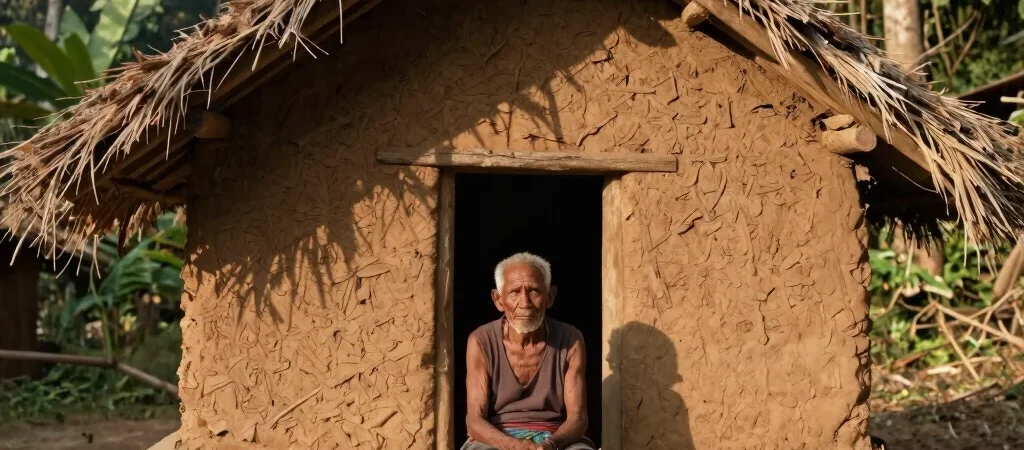
In the absence of written scripts, the history, law, and ecological intelligence of the Dongria Kondh survive within oral histories. Epic ballads, ritual chants, and everyday folk songs serve as living archives that record historical events and natural climate cycles. Cultural documentation of these spoken narratives requires a dedicated ethical framework rooted in patient listening and mutual trust.
Songs as Ecological Registers and Seasonal Calendars
Seasonal harvest songs act as detailed ecological calendars, signalling optimal planting windows based on bird migrations and flowering trees. Elders recite these rhythmic verses to instruct younger community members on weather patterns, soil health, and seasonal stream levels. Each stanza carries practical advice tested across hundreds of agricultural cycles.
Ritual chants performed during annual gatherings preserve ancestral genealogies and clan migrations across the Eastern Ghats. These complex verbal compositions retain archaic linguistic forms, offering historical linguists valuable insights into the evolution of regional dialects.
Ethical Archiving and Community Ownership
Field documentation must prioritize the consent and editorial guidance of the Dongria Kondh elders whose voices are being archived. Recording audio and video materials requires clear protocols regarding intellectual ownership, access, and long-term storage in community-managed spaces. Respectful publishing ensures that oral histories remain authentic instruments of cultural preservation.
By maintaining accurate digital records of these spoken traditions, researchers and future generations gain access to irreplaceable indigenous wisdom. These archival projects demonstrate that oral heritage is not a relic of the past, but an active, living foundation for the future.